Powered By



 Paroxysmal nocturnal hemoglobinuria (PNH) can affect daily life in ways that aren’t always obvious at first. Each person’s symptoms can vary greatly, which is one reason some changes may feel unexpected.
Members of myPNHteam have shared what symptoms can feel like in everyday life. Their experiences don’t replace medical advice, but they can help you spot changes worth bringing up with your doctor.
Always discuss new, severe, or worsening symptoms with your healthcare team. Your doctor can help determine whether a symptom is related to PNH, another health condition, or something else.
 Fatigue is a common symptom of PNH. It can happen when red blood cells break down too early, leading to hemolytic anemia and less oxygen delivery. The kind of tiredness associated with PNH can feel very different from just needing a good night’s sleep.
For some myPNHteam members, fatigue arrives suddenly and forces plans to change. One member described the experience this way: “Sometimes, when I have a moderate daily activity, I can manage, but suddenly, there’s a moment when my body collapses. It’s as if my battery suddenly died in the middle of a highway. And that’s when I need to lie down and abandon everything I had planned.”

When fatigue starts interfering more with work, chores, or daily routines, it’s worth letting your healthcare team know.
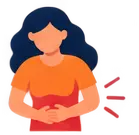 Abdominal pain can happen with PNH and, in some cases, blood clots affecting the stomach or bowels can cause sharp pain or a bloated feeling. Members also mentioned nausea and reflux alongside pain.
Several myPNHteam members described abdominal pain as intense rather than mild discomfort. One member said, “Abdominal pains are usually very painful. … And they tend to spread to all areas.”
Because abdominal symptoms can feel different from person to person, be sure to bring up new or worsening pain with your doctor.
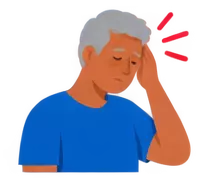 PNH-related pain can affect different parts of the body, which may be one reason some members have described pain as widespread. Members also have talked about how pain can make it harder to get around or move comfortably.
One recently diagnosed myPNHteam member captured how overwhelming that combination can feel: “Recently diagnosed and struggling extra hard today. The exhaustion, abdominal pain, and pain on every part of my body/fatigue like someone is holding me down.”
If pain is new, severe, or making it harder to move safely, tell your healthcare provider.
 Shortness of breath and an increased heart rate can happen when PNH-related anemia lowers oxygen delivery. In some cases, blood clots in the lungs can also cause shortness of breath and heart palpitations. These sensations may feel especially scary when they come on suddenly.
One myPNHteam member described trying to calm their breathing during an episode: “I … felt short of breath and tried to lower my heart rate with deep breaths, which sometimes worked.”
Another member noticed breathing problems even while sleeping: “If it led to sleep, I would have a very light, shallow sleep, and sometimes I would wake up short of breath.”
Avoid assuming that shortness of breath, chest symptoms, or sudden heart-rate changes aren’t related to PNH. Contact your healthcare team about new symptoms, and seek immediate medical attention for severe or sudden breathing or chest problems.
 Dark-colored urine can happen when hemoglobin from broken-down red blood cells enters the urine. Although dark-colored urine may be more noticeable in the morning, hemolysis is an ongoing process in PNH, not something that happens only at night.
For one myPNHteam member, dark-colored urine was one of the symptoms that eventually led to a diagnosis: “My concern arose after experiencing fatigue during physical activity and dark-colored urine. After several investigations and days spent in the hospital, I was diagnosed with PNH.”
Changes in urine color or blood tests can be hard to interpret on your own. Your healthcare team can help place those results in the context of your symptoms and overall health.
 Some myPNHteam members have described brain fog, forgetfulness, or trouble thinking clearly. Some research has linked PNH symptoms to brain fog, though other causes, such as treatment side effects, can also be a factor.
For some members, brain fog itself becomes something they have to figure out how to manage from day to day. One member asked, “What can you do if you have brain fog on a day-to-day basis?”
Another myPNHteam member who was recently diagnosed included forgetfulness among a range of symptoms they were experiencing: “There are a lot of symptoms, like lower back pain, chest pain, forgetfulness, headache. The list can go on.”
If brain fog or forgetfulness is new, worsening, or interfering with your daily life, consider bringing it up with your healthcare provider.
 The symptoms above don’t capture every way PNH can affect the body. Headaches can be part of PNH, and in rare inflammatory forms of the condition, an itchy rash called hives can also occur. Members have also described other changes that can be harder to categorize, including neck pain, itching, and feeling unusually cold.
One myPNHteam member described several symptoms appearing together: “Headache that I never had before and neck pain at night. Itching at night, etc.”
Another member described how difficult it can be to get warm: “And I also get very, very cold. … I could be wearing heavy sweatshirts and pants and still need extra coverage to keep warm.”
 Not every new symptom has one clear explanation. Keeping track of when it happens, how long it lasts, and what else is going on can give your doctor a clearer picture.
PNH can affect much more than energy levels, and members’ experiences show how confusing unexpected symptoms can be. The same symptom can also have more than one possible cause, which is why it’s important not to self-diagnose based on another person’s experience.
If something feels new, different, or more severe than usual, bring it up with your healthcare provider.
What did we miss? We’d love to hear about the symptoms or changes that surprised you most while living with PNH. Share what you noticed, how it affected your daily life, or what you wish you’d known earlier.
 Continue with Facebook
Continue with Email
You'll also get the latest articles directly to your inbox.


You'll also get the latest articles directly to your inbox.
Get updates directly to your inbox.
 Continue with Facebook
Continue with Email
Continue with Facebook
Continue with Email
Become a member to get even more





 Join

 Your Privacy Choices